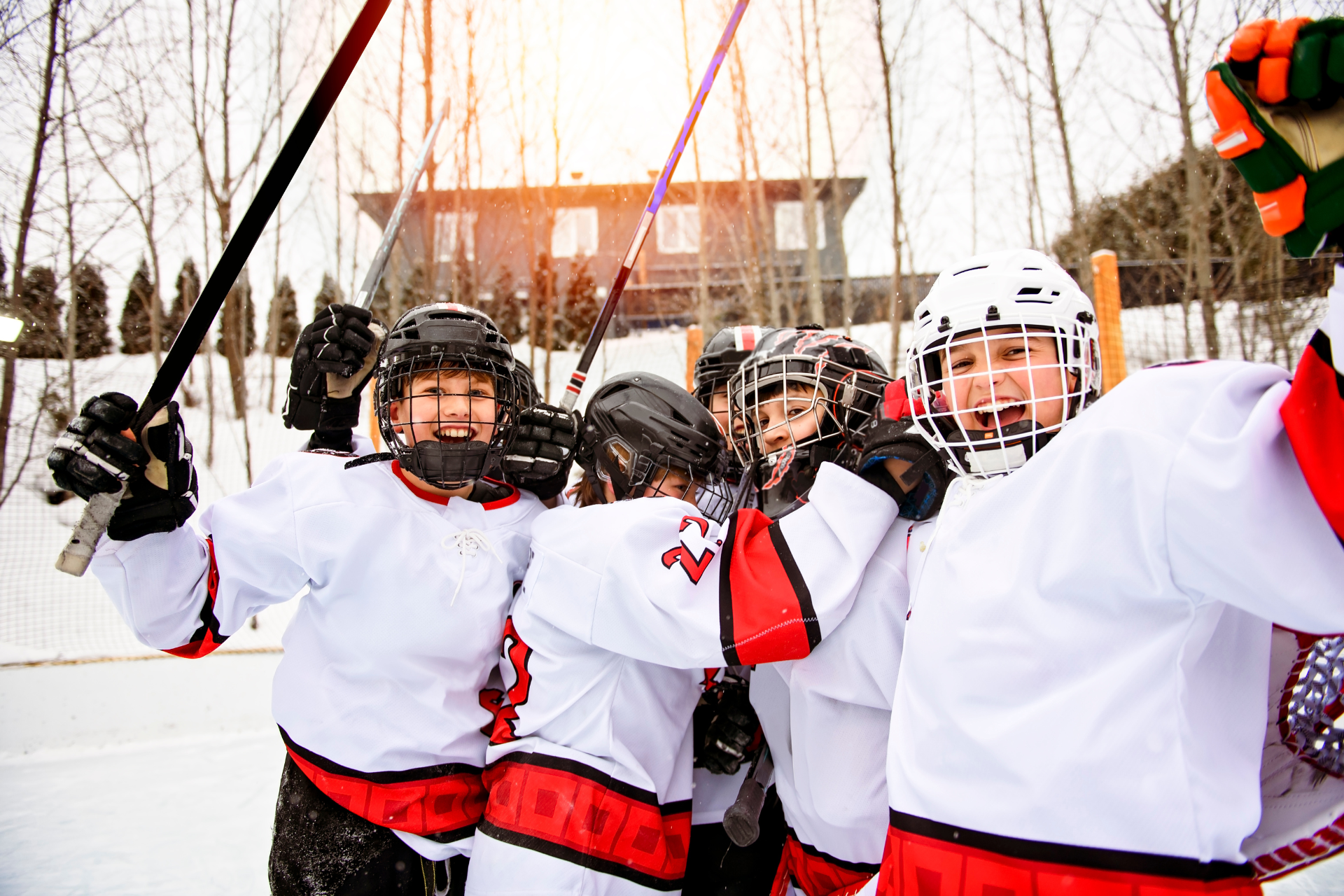
 Getting braces does not mean you have to give up hockey or other sports. In most cases, you can keep playing if you use the right protection and follow your orthodontist’s advice. At Cold Lake & St. Paul Orthodontics, Dr. Deepak Arora helps patients in St. Paul, Lakeland, and surrounding communities care for their teeth and braces while staying active.
Hockey and other contact sports can raise the risk of a hit to the mouth or face. If you are thinking about treatment, learning about your braces treatment options and how to protect your smile can help you feel more prepared to start.
What Should Hockey Players Know About Wearing Braces?
You can usually keep playing hockey while wearing braces. Braces do not automatically mean you have to sit out practices, games, or a sports season.
The main concern is a hit to the mouth. Falls, collisions, sticks, pucks, and contact with other players can injure your lips, cheeks, gums, or teeth. Brackets and wires may also rub or press against the inside of your mouth after an impact.
Similar risks can happen in football, lacrosse, soccer, basketball, wrestling, martial arts, and other activities where contact or falls may occur. Even a sport that is not known for contact can include an accidental hit.
Having braces means you need to prepare a little differently. The right sports gear and a plan for what to do after a hit can help you keep playing while your teeth move into their new positions.
How Can You Reduce the Risk of Braces Damage During Sports?
A well-fitting mouthguard is an important part of sports safety when there is a risk of a hit to the face. If you wear braces, the mouthguard needs enough room to fit over your brackets and wires without pressing too tightly on them.
The American Association of Orthodontists offers orthodontic mouthguard guidance for athletes who wear braces. An orthodontic mouthguard can help absorb some of the force from a hit. It also creates a barrier between your braces and the inside of your lips and cheeks.
A mouthguard that fits well before you got braces may not fit the same way after your braces are placed. The fit can also change as your teeth move. If the guard feels too tight, painful, or hard to place, ask your orthodontic team before continuing to use it.
Your orthodontic team can help you understand what type of mouthguard may work with your braces. They can also tell you when the fit should be checked or when a new guard may be needed.
For hockey and other sports, use protective gear that is right for the activity. Check the fit from time to time, especially as your teeth move during treatment. Good protection can lower the risk of an injury that could interrupt your season or orthodontic care.
What Should You Do If You Get Hit in the Mouth During a Game?
If you are hit in the mouth, check your teeth and braces as soon as you can do so safely. Look for a loose bracket, a bent or shifted wire, bleeding, new soreness, or a tooth that feels loose or different.
A bracket may come loose but stay attached to the wire. A wire may also move and rub against your cheek or gum. Orthodontic wax can help cover a sharp or rough area for a short time until you can get advice from your orthodontic office.
Call your orthodontic office if a bracket comes loose, a wire breaks or shifts, or you are not sure whether your braces were damaged. Do not try to remove a bracket or make major changes to a wire on your own.
A hard hit can also hurt a tooth or other parts of the mouth even when the braces look normal. Get dental or medical care right away for severe pain, heavy bleeding, a very loose tooth, or a serious injury to the face or mouth.
Checking your mouth after a hit can help you find a problem early. It can also help your orthodontic team decide whether you need a repair before your next regular visit.
What Should Athletes Keep in Mind During Braces Treatment?
For most athletes, wearing braces does not mean giving up sports. A few simple habits can help you protect your teeth and braces while continuing with practices, games, and other activities.
Make sure your sports gear fits well and does not put extra pressure on your braces. Keeping orthodontic wax in your sports bag can also be helpful if a bracket or wire starts to bother your mouth when you are away from home.
Pay attention to changes as treatment moves forward. If your mouthguard becomes uncomfortable or your braces feel different after a game, tell your orthodontic team. Do not keep using sports gear that feels too tight around your braces.
The main point is simple: an active lifestyle and braces can usually work together. Planning ahead, using the right protection, and knowing when to ask for help can make treatment easier to manage while you stay involved in the sports you enjoy.
Ready to Stay Active While Getting Braces?
Playing hockey or another sport does not have to stop you from getting braces. If staying active matters to you, an orthodontic evaluation can show you how treatment may fit into your routine and how to protect your smile during sports.
At Cold Lake & St. Paul Orthodontics, Dr. Arora helps patients in St. Paul, AB plan braces treatment with an active lifestyle in mind. Schedule a consultation to find out whether braces are right for you and learn how you can keep playing the sports you enjoy during treatment.